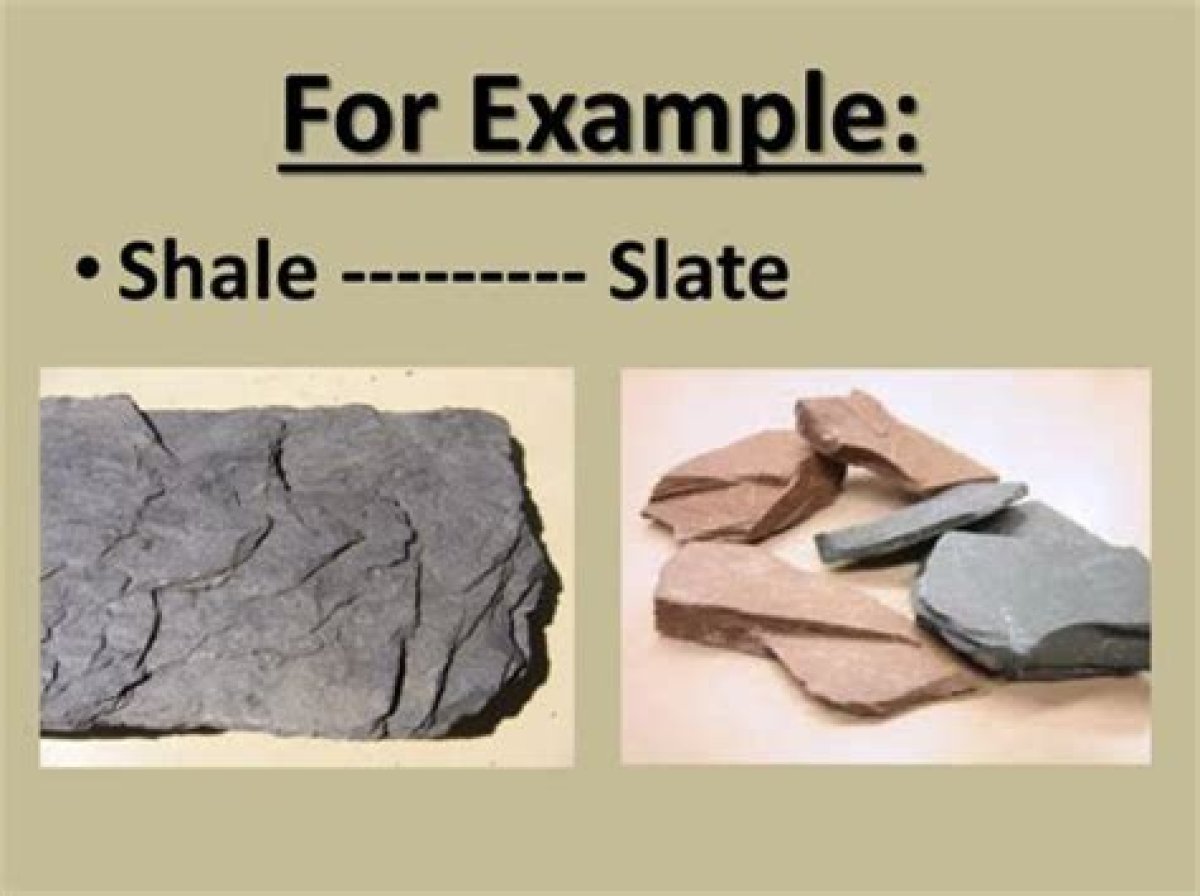
Shale and slate are two types of rocks that, while related, serve different purposes and have distinct characteristics. Both are sedimentary in nature, but their formation processes and uses set them apart. Understanding the nuances between shale vs slate can help you appreciate their unique qualities, whether you're a geology enthusiast, an architect, or simply someone interested in natural materials. This article delves into the intriguing world of these two rocks, comparing their formation, properties, uses, and much more.
Shale is a fine-grained sedimentary rock that forms from the compaction of silt and clay-sized mineral particles. It is typically found in sedimentary basins and is known for its layered appearance. On the other hand, slate is a metamorphic rock that originates from shale when subjected to heat and pressure over time. This transformation gives slate its characteristic durability and smooth texture, making it highly sought after in construction and design.
As we explore the shale vs slate debate, we will answer key questions regarding their formation, characteristics, uses, and more. By the end of this article, you will have a comprehensive understanding of these two fascinating rocks, equipping you with knowledge that can influence your choices in material selection for projects or simply enhance your appreciation of the natural world.
What is Shale?
Shale is a soft, layered sedimentary rock that is primarily composed of clay minerals and organic matter. It forms under low-pressure conditions and is often rich in fossils, making it a vital resource for paleontologists and geologists alike. Shale plays a crucial role in the oil and gas industry, as it often contains hydrocarbons that can be extracted through various techniques.
How is Shale Formed?
The formation of shale occurs over millions of years through the accumulation of sediments in bodies of water, such as oceans and lakes. As these sediments build up, they undergo compaction and cementation, gradually transforming into shale. The presence of organic materials in these sediments can result in the formation of hydrocarbons, which can be extracted and utilized.
What are the Uses of Shale?
- Source of natural gas and oil.
- Raw material for the production of bricks and ceramics.
- Used in the manufacturing of cement.
- Often utilized in landscaping and construction projects.
What is Slate?
Slate is a metamorphic rock that is formed from the alteration of shale under intense heat and pressure. This process alters the original minerals present in shale, resulting in a denser material with a distinctive foliated texture. Slate is known for its durability, making it a popular choice for roofing, flooring, and various architectural applications.
How Does Slate Form from Shale?
The transformation from shale to slate occurs through a process called metamorphism. As shale is subjected to increased temperature and pressure, the minerals within the rock recrystallize, forming a denser and more compact rock. This metamorphic process enhances the rock's durability and creates the smooth, flat surfaces that slate is known for.
What are the Common Uses of Slate?
- Roofing materials due to its water-resistant properties.
- Floor tiles and wall cladding.
- Used in the production of chalkboards and pool tables.
- Landscaping and decorative stone.

