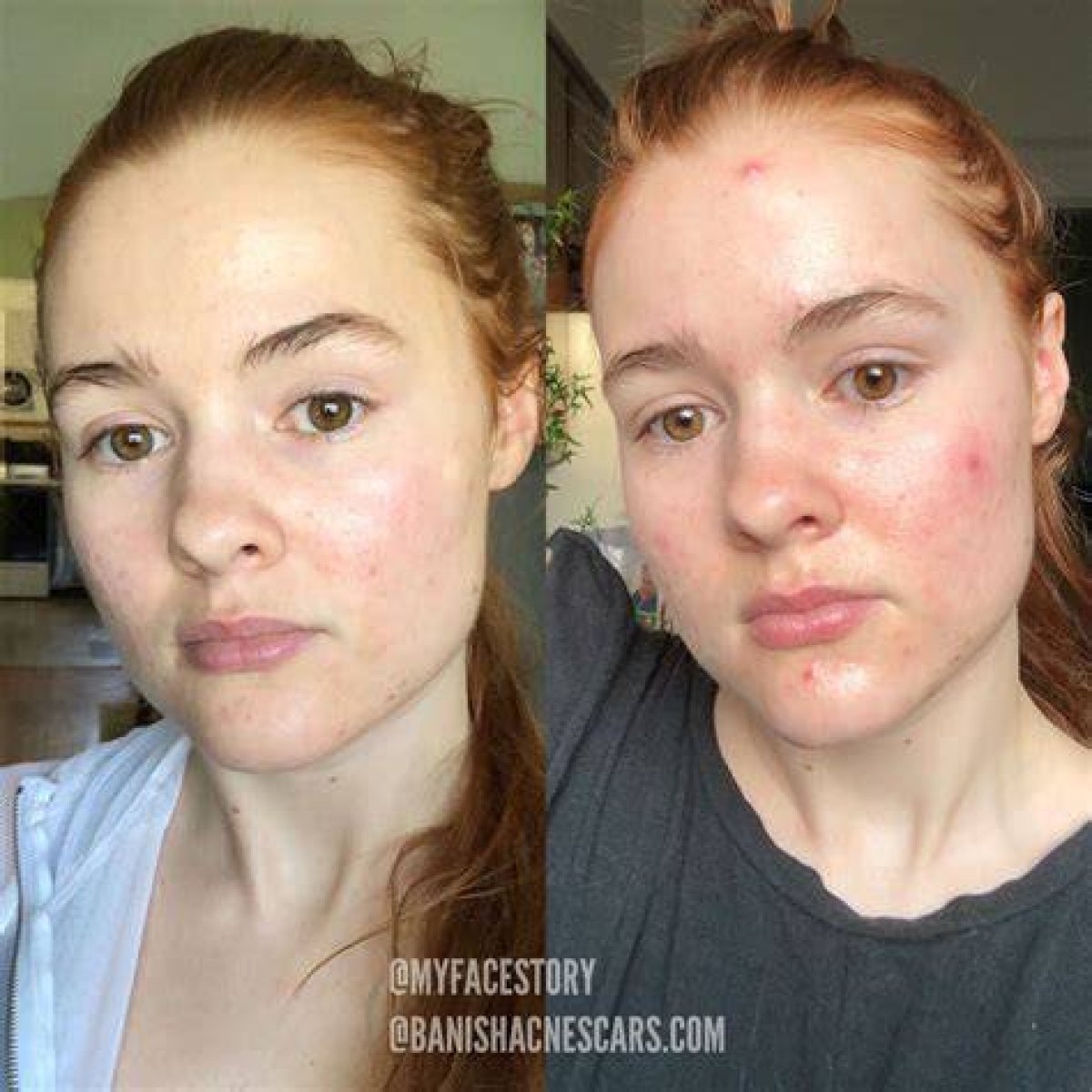
Microneedling, once hailed as a miracle treatment for skin rejuvenation, can indeed lead to adverse effects if not performed correctly. Many individuals, including myself, have found themselves grappling with unexpected skin issues following this procedure. In this article, we will delve into the intricacies of microneedling, explore its intended benefits, and share personal experiences that highlight the potential pitfalls of this popular skincare trend.
As the beauty industry continues to evolve, microneedling has gained significant traction as a non-invasive treatment for various skin concerns, including fine lines, acne scars, and overall texture improvement. However, the darker side of this treatment is often overshadowed by its benefits. This article aims to shed light on the experiences of those who have felt their skin was ruined by microneedling, emphasizing the importance of proper technique and aftercare.
In the following sections, we will discuss the science behind microneedling, personal accounts of negative outcomes, and essential precautions to take before considering this treatment. Our goal is to educate readers on both the advantages and possible consequences of microneedling, helping them make informed decisions about their skincare routines.
What is Microneedling?
Microneedling, also known as collagen induction therapy, is a cosmetic procedure that involves the use of fine needles to create thousands of tiny, controlled punctures in the skin's surface. This process is designed to stimulate the body's natural wound healing response, leading to increased collagen and elastin production. The treatment is commonly used to address various skin concerns, such as:
- Fine lines and wrinkles
- Acne scars
- Stretch marks
- Pore size reduction
- Overall skin texture and tone improvement
How Microneedling Works
The microneedling procedure typically involves the following steps:
- Consultation: A thorough consultation with a licensed practitioner to assess skin type and concerns.
- Preparation: The skin is cleansed, and a topical anesthetic is applied to minimize discomfort.
- Microneedling: A device with fine needles is used to create micro-injuries in the skin.
- Post-Treatment Care: The skin is treated with serums or other products to enhance healing.

