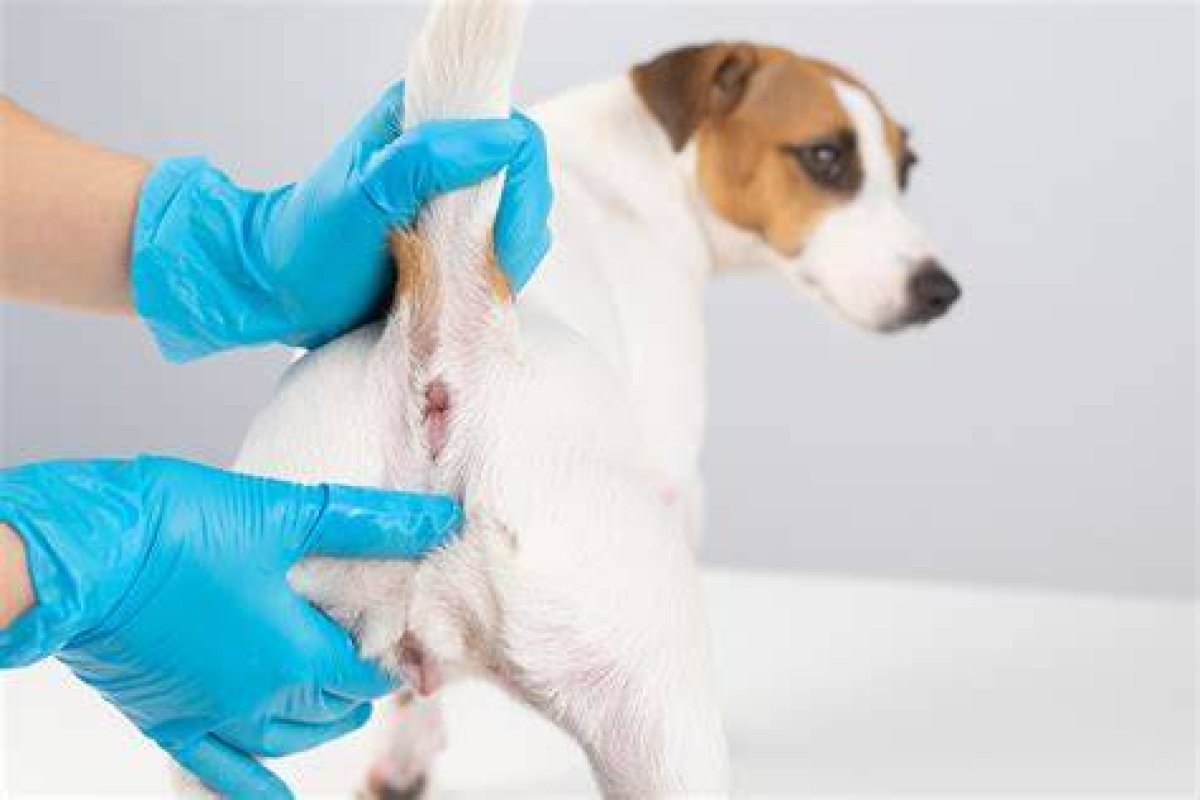
Understanding how to squeeze a dog's anal glands is an essential skill for any responsible pet owner. These small glands, located near the dog's rectum, can cause discomfort and health issues if not properly maintained. In this article, we will explore the anatomy of anal glands, the reasons for expressing them, the proper technique for doing so, and when it is advisable to seek professional help. By the end of this guide, you will be equipped with the knowledge to keep your furry friend comfortable and healthy.
Anal gland issues are surprisingly common among dogs, yet many pet owners are unaware of the importance of regular maintenance. While some dogs may express their glands naturally during bowel movements, others may require manual assistance. This guide will provide detailed instructions on how to safely and effectively perform this task.
Moreover, in addition to practical advice, we will also discuss signs to watch for that may indicate your dog’s anal glands need attention. Understanding when to intervene can prevent potential complications and ensure your dog remains healthy and happy.
Anatomy of Dog's Anal Glands
The anal glands, also known as anal sacs, are two small glands located at approximately 4 and 8 o'clock positions around the dog's anus. They produce a foul-smelling fluid that is normally expelled during defecation. This fluid serves various purposes, such as marking territory and providing a unique scent signature for social communication among dogs.
Structure and Function
The glands are composed of specialized cells that secrete a mixture of oils and proteins. While the primary function of these glands is related to communication and marking, they can also serve to lubricate the stool, aiding in the passage of feces during elimination.
Importance of Anal Gland Expression
It is crucial for dog owners to understand the significance of anal gland expression. Regular maintenance can prevent discomfort and health complications that arise from impacted or infected anal glands.
Health Implications
- Infection: Bacteria can enter the glands, leading to infections that may require veterinary intervention.
- Impaction: If the glands are not expressed regularly, they can become impacted, causing pain and distress to your dog.
- Abscess: In severe cases, impacted glands can lead to abscess formation, requiring surgical treatment.

