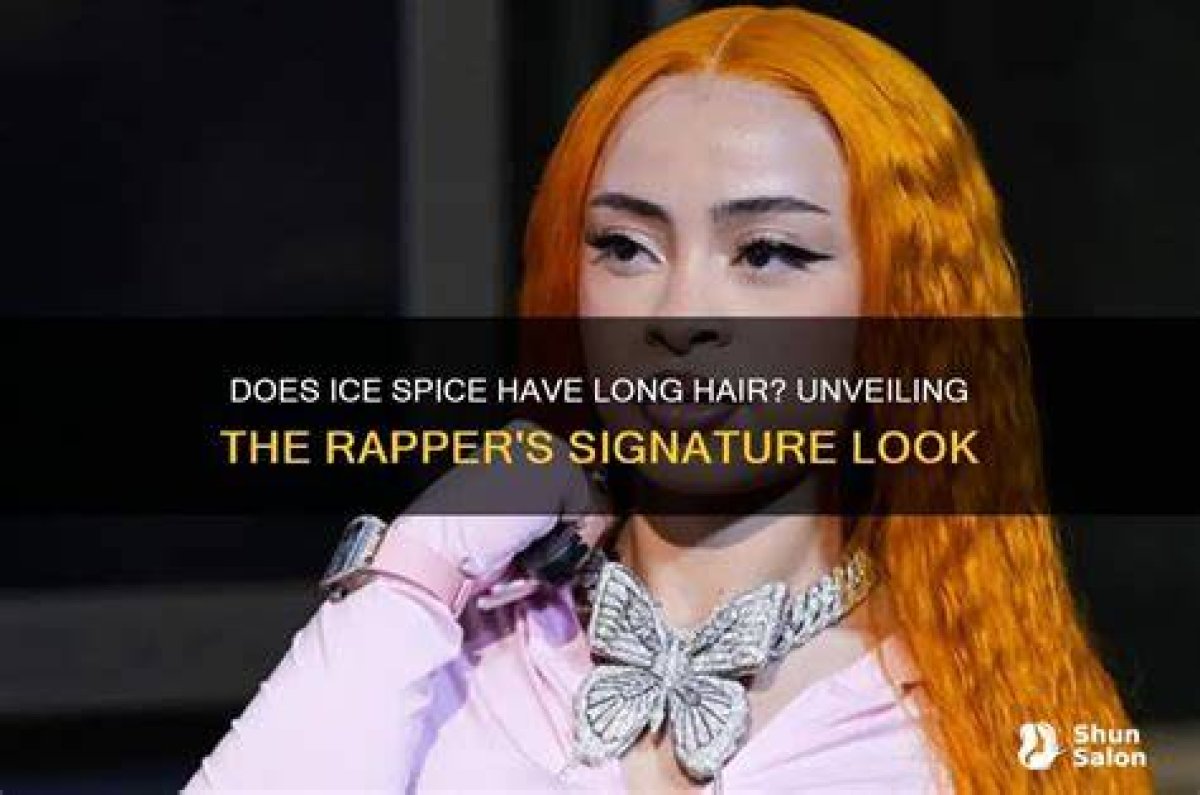
The world of music is filled with diverse artists and unique stories, and Ice Spice is no exception. Recently, there have been intriguing discussions regarding her appearance, particularly around the question: Does Ice Spice have albinism? This article aims to explore this topic in depth, providing clarity and insight into the rumors that have circulated. In this comprehensive analysis, we will look into Ice Spice's background, her physical attributes, and the nature of albinism itself.
As a rising star in the music industry, Ice Spice has captured the attention of fans and critics alike with her distinct style and powerful lyrics. However, the conversation surrounding her appearance has sparked curiosity and concern. Albinism is a genetic condition characterized by a lack of melanin, leading to lighter skin, hair, and eyes. Understanding the nuances of this condition is crucial in addressing the rumors surrounding Ice Spice.
In this article, we will delve into the definition of albinism, examine Ice Spice's biography and personal background, and analyze whether her features align with those typical of individuals with this condition. By the end of this piece, readers will have a clearer understanding of the topic at hand, and we hope to dispel any myths surrounding Ice Spice's appearance.
Biography of Ice Spice
Ice Spice, born as Isis Gaston in the Bronx, New York, has emerged as a notable figure in the music scene. Known for her unique blend of rap and melodic singing, she has quickly gained a loyal fan base. Her rise to fame can be attributed to her engaging personality and relatable lyrics. Below is a brief overview of her personal data:
| Full Name | Isis Gaston |
|---|---|
| Date of Birth | January 1, 2000 |
| Origin | Bronx, New York, USA |
| Profession | Rapper, Singer, Songwriter |
| Genres | Hip-Hop, Rap |
| Years Active | 2021 - Present |
| Notable Works | “Munch (Feelin’ U)” |
What is Albinism?
Albinism is a genetic condition that results in the absence of melanin, the pigment responsible for the color of skin, hair, and eyes. This condition can affect individuals of all ethnic backgrounds and is characterized by several features:
- Light or white hair
- Very light skin that is often sensitive to sunlight
- Light-colored eyes (often blue or light brown)
- Vision problems, such as poor eyesight or sensitivity to light
There are several types of albinism, including oculocutaneous albinism and ocular albinism, each affecting individuals in different ways. Understanding these variations is essential in recognizing the characteristics associated with the condition.

