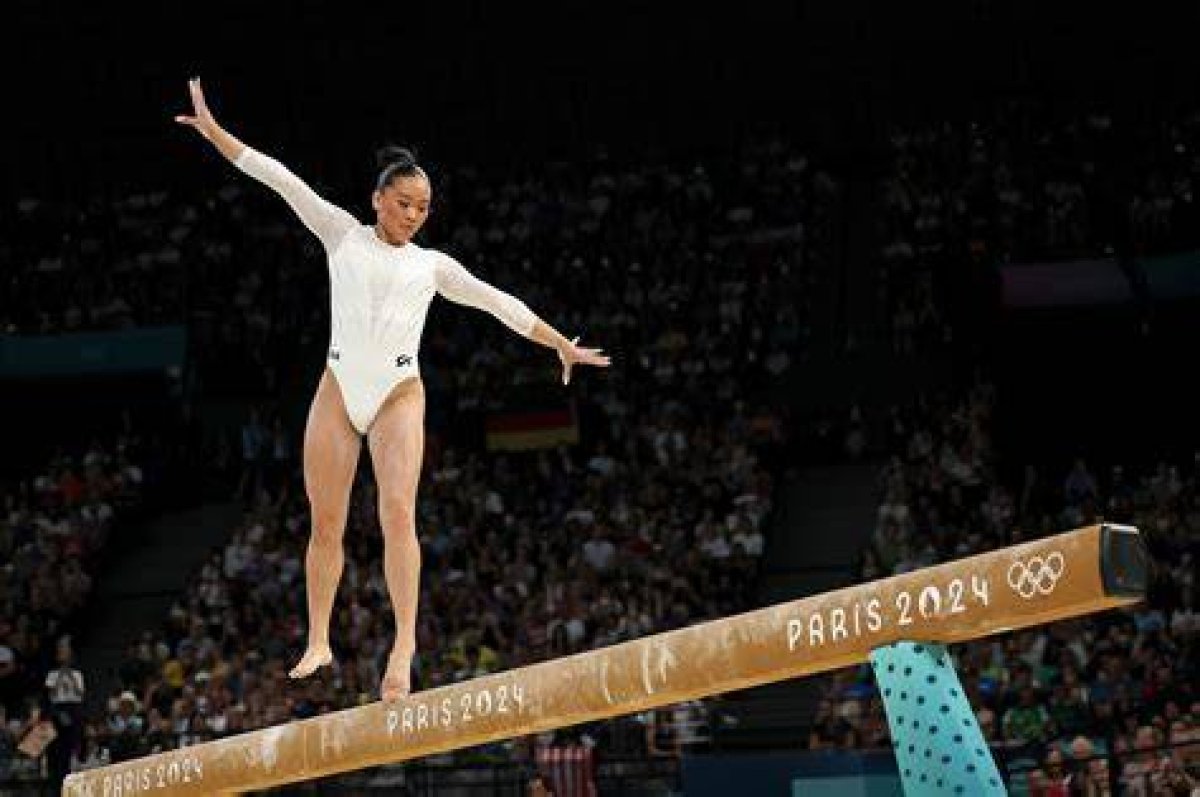
The excitement surrounding the Beam Finals at the Olympics 2024 is palpable as athletes prepare to showcase their skills on one of the most challenging pieces of apparatus in gymnastics. The balance beam, a narrow 10 cm platform, demands not only physical prowess but also mental fortitude and artistic expression. This article will delve into all aspects of the Beam Finals, from its history and significance to the athletes expected to shine in Paris. As we approach the Games, understanding the nuances of this event becomes essential for fans and aspiring gymnasts alike.
The Beam Finals are a highlight of the gymnastics competitions at the Olympics, where gymnasts display their routines that combine difficult acrobatic elements with artistic choreography. Athletes from around the world will compete for glory, and each performance will be scrutinized by judges and fans alike. In this comprehensive guide, we will cover the competition format, key athletes, training regimens, and more, ensuring that you are fully prepared for the excitement of the Beam Finals in 2024.
As we look forward to the Olympics, it is crucial to highlight the importance of the balance beam in gymnastics. Not only is it a test of skill and technique, but it also represents the culmination of years of dedication and hard work. The Beam Finals will feature some of the best gymnasts in the world, all vying for the coveted Olympic medals. Let’s dive into the details!
History of the Balance Beam
The balance beam has a storied history in gymnastics, evolving from its early use in training to becoming a staple of competitive events. Originally, the beam was used in physical education to help gymnasts develop balance and coordination.
Today, the beam is a crucial event in gymnastics competitions, including the Olympics. Its history is marked by incredible performances and memorable moments that have captivated audiences worldwide. Here are some key points about its evolution:
- The balance beam was first introduced to women's gymnastics in the 1936 Berlin Olympics.
- Over the years, the beam has undergone various changes in height and width, with the current specifications being 10 cm in width and 125 cm in height.
- Notable gymnasts like Nadia Comăneci and Mary Lou Retton have made history on the beam, setting records that still inspire today’s athletes.
Competition Format of Beam Finals
The format of the Beam Finals at the Olympics consists of several key stages that determine which gymnasts will advance and ultimately compete for medals. The competition typically unfolds as follows:
Qualifying Rounds
Before reaching the finals, gymnasts must perform in the qualifying rounds. The top performers based on their scores advance to the finals. The qualifying rounds are crucial as they determine who will have the opportunity to compete for medals.
Finals Round
In the finals, each qualified gymnast performs their routine on the beam, which is followed by scoring from a panel of judges. The gymnast with the highest score at the end of the event is declared the winner.

